Orca Conservancy Berrydale Salmon Restoration Site | Update #2
Species that Signal Recovery
When we talk about restoring salmon to assist with recovery efforts of the critically endangered Southern Resident killer whale population, we’re not just talking about a single species, we’re talking about rebuilding entire ecosystems.
A healthy creek or stream is a living system, and salmon recovery efforts ripple outward in ways that benefit a wide range of species. Some of these animals are easy to spot. Others go unnoticed. But together, they tell us whether restoration is truly working.
——————————————————————————————————————————————————-
Here are a few of the species at our Berrydale salmon restoration site that signal we are on the right track:
Chum Salmon
Chum salmon are one of the clearest indicators of recovery in coastal streams. They rely on clean, cool water and properly functioning gravel beds for spawning. When chum return in strong numbers, it’s a sign that habitat conditions, like water quality, flow, and sediment, are improving. Their presence also brings marine nutrients upstream, feeding the entire food web.
Brook Lamprey
Often overlooked, brook lamprey are a powerful indicator of stream health. Their larvae live buried in fine sediments for years, filter-feeding in calm, undisturbed waters. When lamprey are present, it signals that a stream has stable flows, intact sediment processes, and low pollution levels, and conditions that also support young salmon.
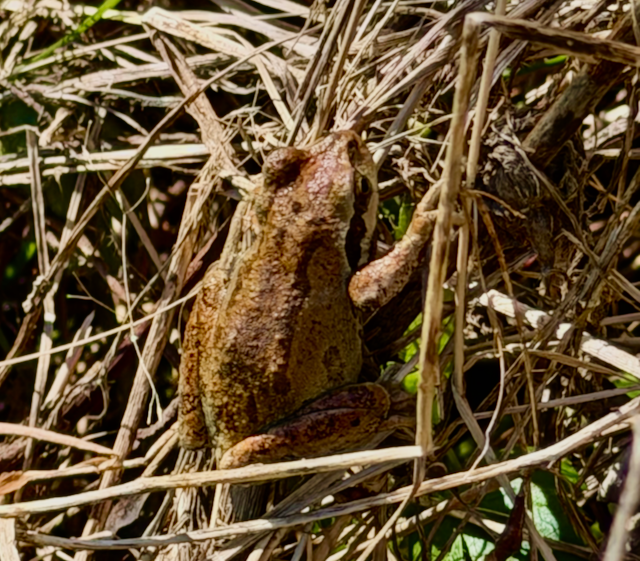
Tree Frogs
Tree frogs depend on clean, connected wetland and stream habitats for breeding. Because amphibians are highly sensitive to pollution and changes in water quality, their presence suggests that restoration efforts are improving not just the stream itself, but the surrounding ecosystem. A chorus of tree frogs is often a sign that a watershed is functioning as it should.
Caddisflies
Caddisfly larvae are among the most important indicators of water quality. Many species require cold, well-oxygenated, and unpolluted water to survive. They are also a key food source for juvenile salmon. A diverse and abundant caddisfly population signals that a stream is clean, productive, and capable of supporting healthy fish populations.
Why This Matters for Salmon and Orcas
Each of these species reflects a piece of the larger picture. When streams support salmon, lamprey, amphibians, insects, and mammals alike, it tells us that restoration is working at an ecosystem level and not just for one species.
Healthy salmon runs are essential for the recovery of Southern Resident killer whales. Every functioning creek and restored watershed contributes to rebuilding the prey base these whales depend on.
Looking Ahead
Salmon recovery is not a single action. It’s a long-term commitment to restoring the systems that sustain life across land and water.
At Orca Conservancy, we focus on outcomes that matter: healthier streams, stronger salmon runs, and ultimately, a future where Southern Resident killer whales can thrive.
Because when a stream comes back to life, it doesn’t do so quietly, it tells us, species by species, that recovery is possible.
Videos and Images taken by our Salmon Restoration Team; Samantha and Madison narrating, :)