Quarterly Update | July 2026
Thank you for standing with Orca Conservancy. Your support makes it possible for us to continue protecting killer whales and the marine ecosystems they depend on. During the second quarter of 2026, we made meaningful progress across a wide range of conservation initiatives, from advancing stronger protections for Southern Resident killer whales to supporting salmon recovery, conducting research, and advocating for science-based solutions throughout the Pacific Northwest.
A Milestone for Southern Resident Killer Whales
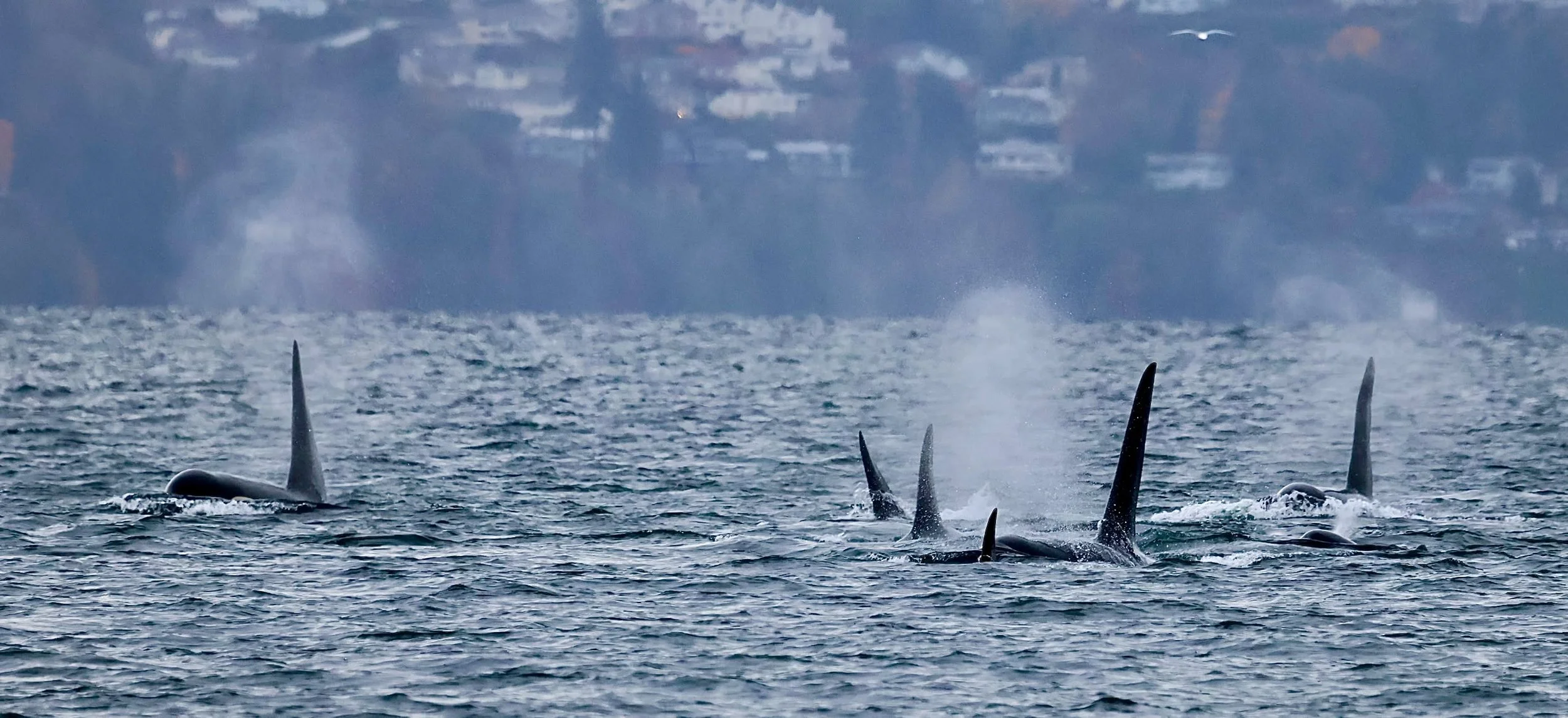
Members of J and K-Pod, 2024 | Shari Tarantino
One of our most significant accomplishments this quarter was advancing our petition to list Southern Resident killer whales under the California Endangered Species Act (CESA). The California Fish and Game Commission unanimously voted to move our petition forward for a full status review, an important step toward securing additional protections for this critically endangered population in California waters.
While the review process will continue, this unanimous vote reflects the strength of the scientific evidence supporting the need for greater protections.
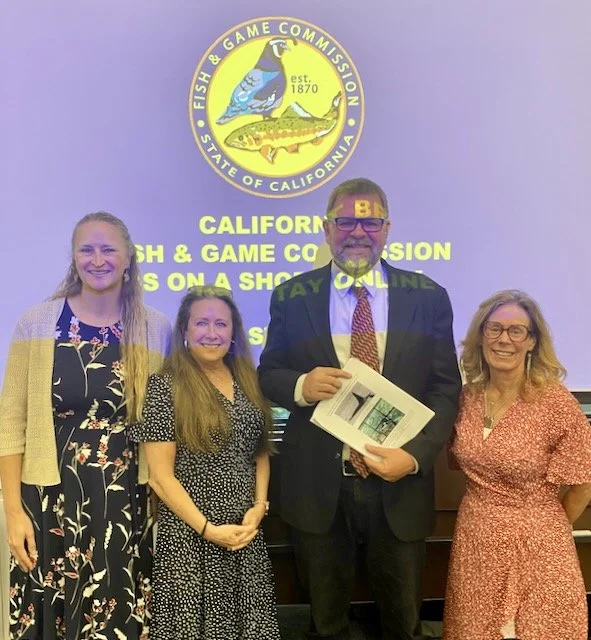
L to R: Pam Flick, Defenders of Wildlife. Shari Tarantino, and Steve Christianson, Orca Conservancy. Dr. Deborah Giles, SeaDoc Society.
Science, Research, and Monitoring
Research remains at the heart of effective conservation. This quarter, Orca Conservancy continued expanding our efforts to better understand and protect killer whales and their habitat through innovative science and monitoring.
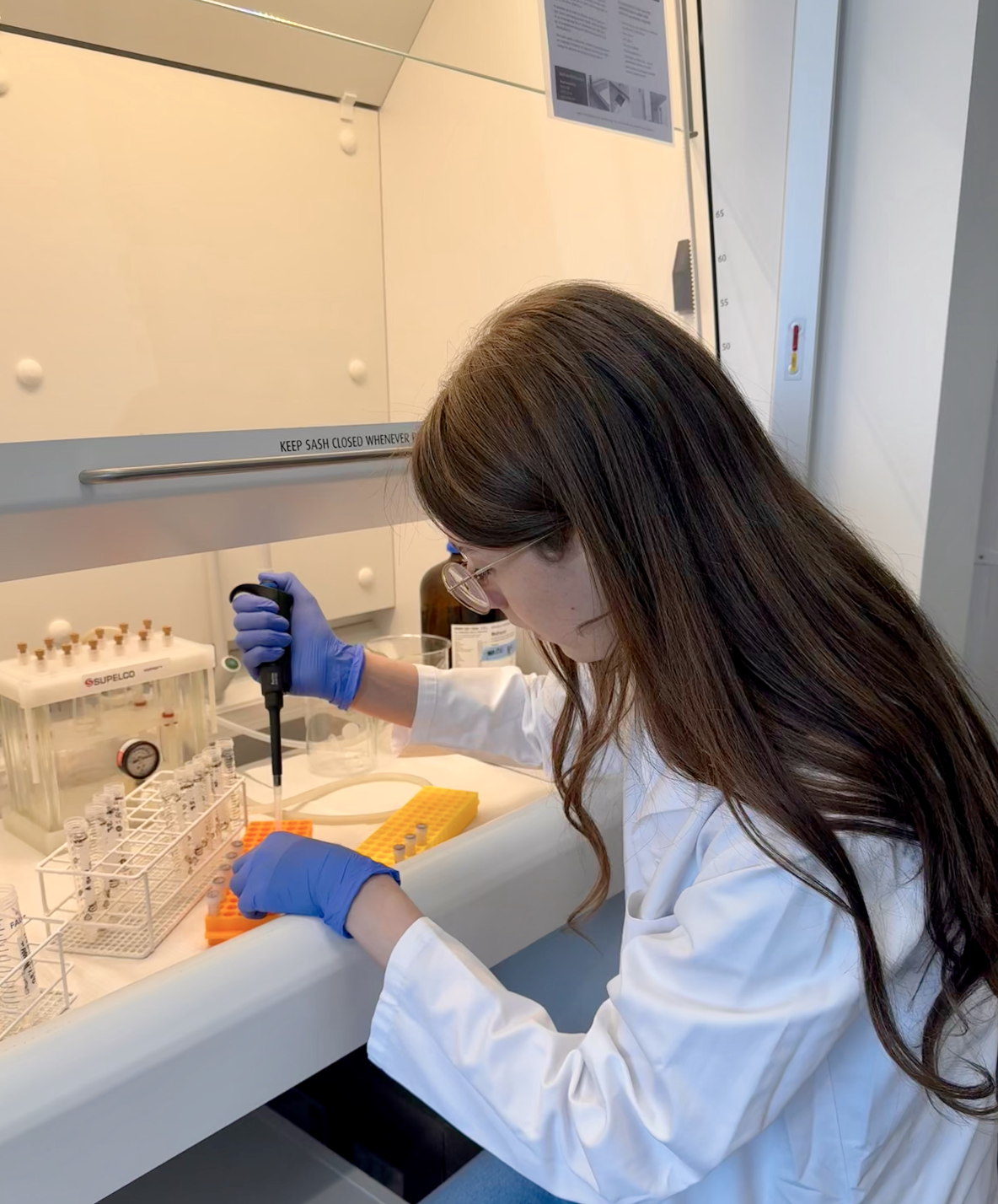
Chloe Kotik, Ph.D. Candidate, University of Alaska Fairbanks
Using a new method developed by Dulgheriu et al. (2026), Orca Conservancy’s Associate Researcher, Chloe Kotik and colleagues, are working to quantify concentrations of contaminants and hormones in tiny fragments of killer whale tissue known as biopsies.Biopsies are small samples of skin and blubber collected from killer whales and other marine mammal species as a method of answering questions about whale health, physiology, genetics, and condition. Each biopsy is subdivided into many tiny sections to support as many analyses as possible. This project quantifies the concentration of almost 200 different contaminant congeners, as well as five important steroid hormones: androstenedione, progesterone, testosterone, cortisol, and cortisone.
Additionally, as part of the OrcaSound network, Orca Conservancy supports AI-assisted hydrophone monitoring to improve killer whale detection and expand our understanding of whale presence and behavior.
These projects provide valuable data that help inform conservation decisions and strengthen long-term recovery efforts.
Protecting Salmon and Healthy Ecosystems
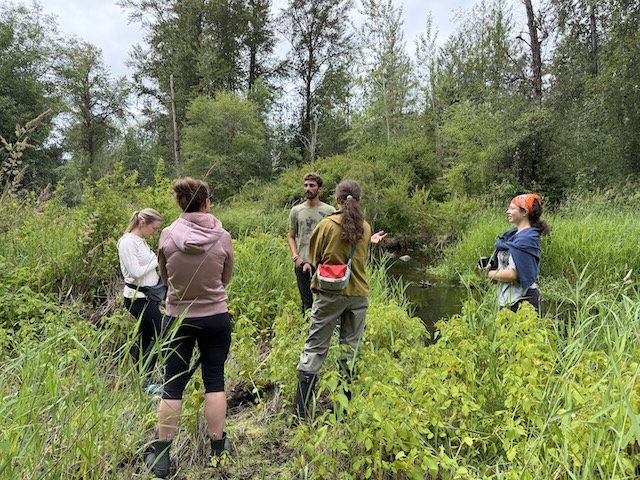
Volunteers at our Berrydale Salmon Restoration Site on Big Soos Creek
Healthy salmon populations are essential to the recovery of Southern Resident killer whales and are an important part of the broader marine ecosystem.
Throughout the quarter, Orca Conservancy continued advocating for salmon restoration and habitat protection while reviewing proposed projects and policies that could affect water quality, fish populations, and critical habitat.
Advocacy That Makes a Difference
Orca Conservancy remained actively engaged in legislative and regulatory processes throughout the quarter. We submitted comment letters, participated in agency reviews, and worked to ensure that conservation decisions are grounded in sound science.
Whether advocating for stronger protections, reviewing environmental proposals, or collaborating with partner organizations, we continue to be a strong voice for killer whales and the ecosystems they depend upon. We also continued providing detailed scientific and technical comments on projects with potential impacts to marine wildlife, including proposed tidal energy development and other activities affecting the Salish Sea.
Educating and Inspiring Stewardship
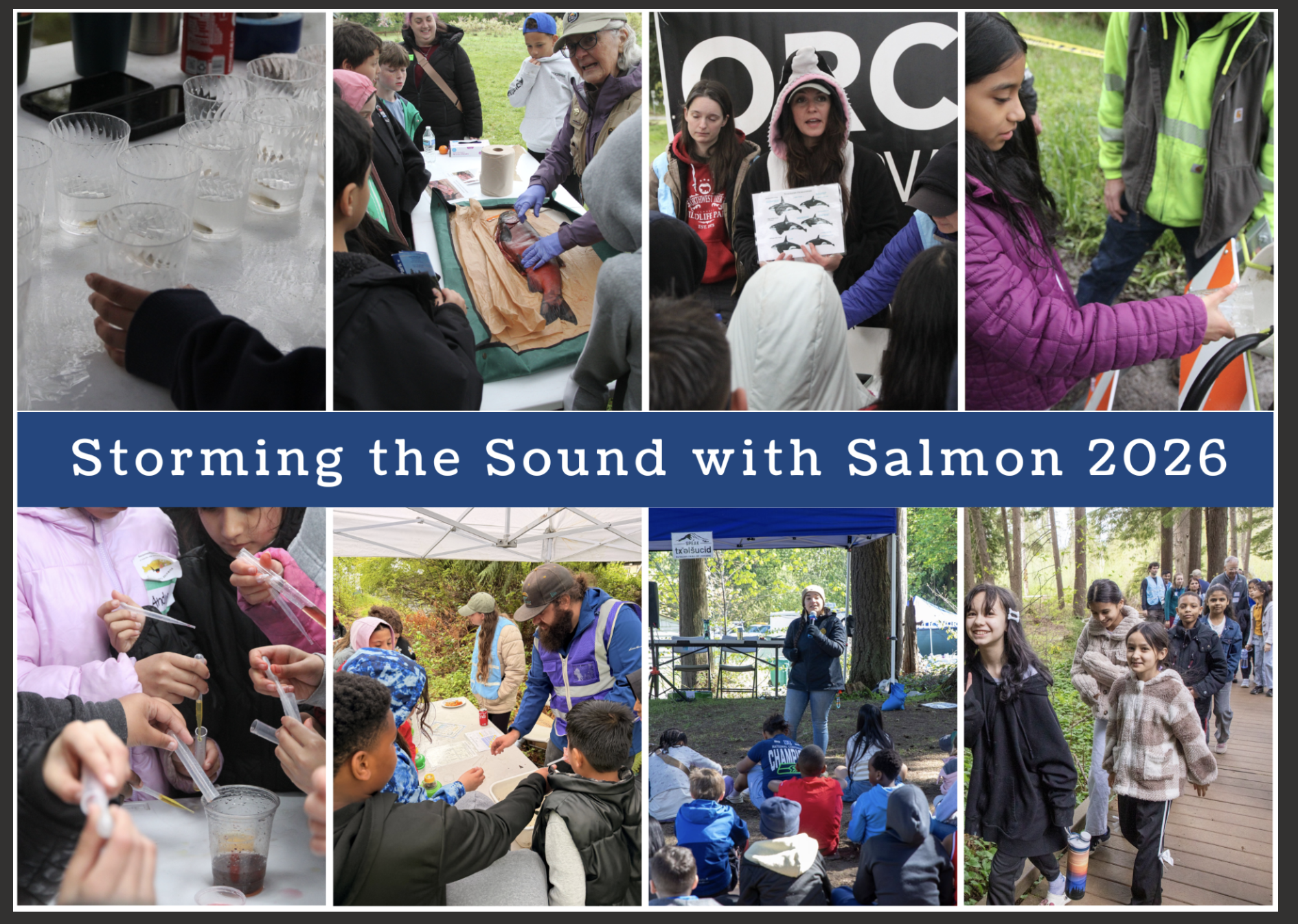
Since 2016, Orca Conservancy has proudly participated in the City of Federal Way's Storming the Sound with Salmon program, helping educate thousands of students about the connection between healthy salmon populations, clean water, and the recovery of Pacific Northwest killer whales. This year Orca Conservancy and our partner, Free the Green, helped educate over 1,800 Federal Way scholars who released around 3,500 Coho salmon.
Conservation succeeds when people understand how their actions can make a difference.
Preparing for the Future
As we celebrate Orca Conservancy's 30th Anniversary this year, we remain committed to building a stronger future for killer whales through research, conservation, advocacy, education, and collaboration.
Protecting killer whales requires planning for both immediate and long-term threats. Orca Conservancy continues to support oil spill preparedness and response efforts while strengthening our internal capacity to better serve our mission through improved organizational policies and procedures.
Thank You
. . . for believing in our mission and for standing with Orca Conservancy as we work toward a future where killer whales and the ecosystems they depend on can thrive.
With gratitude,
Shari L. Tarantino
Executive Director
Orca Conservancy