Quarterly Update | October 2026
We have been busy. This quarter, Orca Conservancy advanced the case for permanent protections for Southern Resident killer whales in California, supported scientific research, continued our salmon habitat restoration work, and challenged decisions affecting the watersheds our whales depend on.
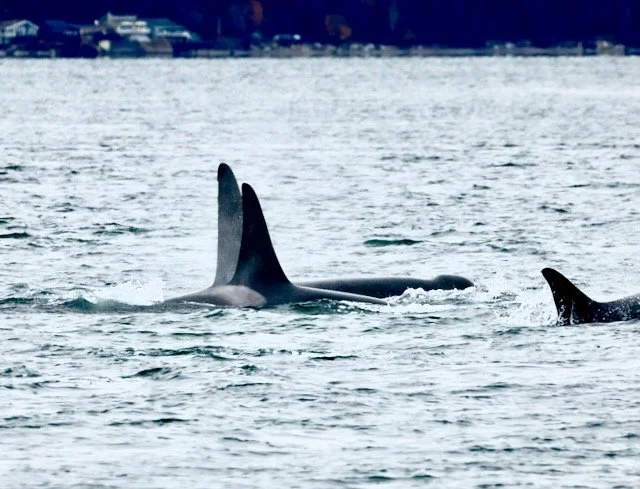
SRKWs, 2024 | Shari Tarantino
As we share this quarter’s progress, I want to be direct: Orca Conservancy needs your financial support to keep this work moving forward. Protecting endangered Southern Resident killer whales takes sustained research, advocacy, habitat restoration, and a dedicated team to carry it out.
Donations fund our work and help us respond when new threats or opportunities arise. If you’re able, please make a gift today. Every contribution helps us continue the work outlined below, and your ongoing support makes it possible to plan beyond the next quarter.
Advancing killer whale research
Research remains at the heart of effective conservation. This quarter, Orca Conservancy continued expanding our efforts to better understand and protect killer whales and their habitat through innovative science and monitoring.
Orca Conservancy’s Associate Researcher, Chloe Kotik, a Ph.D. candidate at the University of Alaska Fairbanks, is helping answer important questions about killer whale health and population growth.
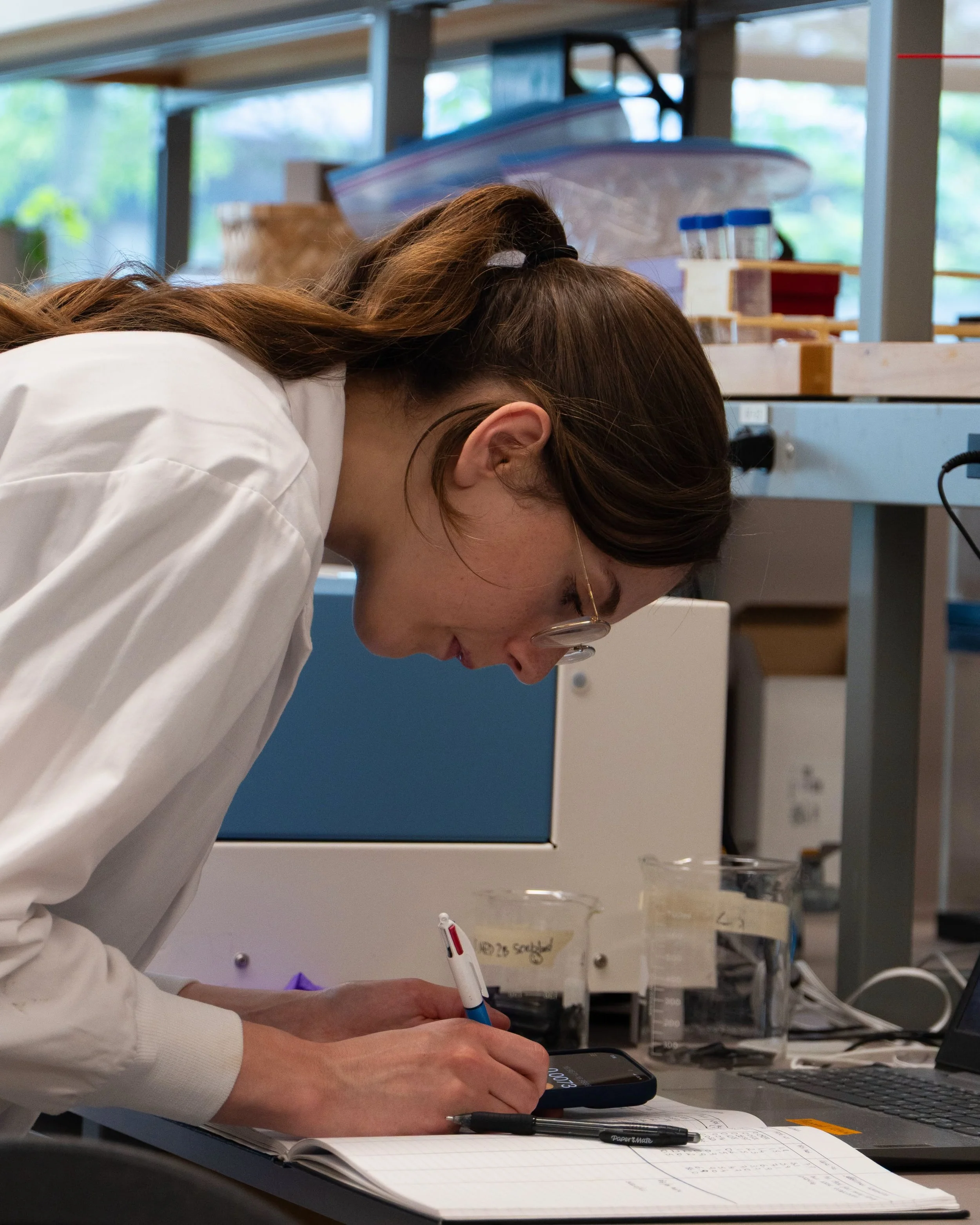
In August, Chloe and her colleagues published a study in Ecology and Evolution using more than 50 years of photo-identification data to examine the life history and reproduction of West Coast Transient, or Bigg’s, killer whales. The research provides new estimates of reproductive timing, calving intervals, and survival that can strengthen population monitoring and conservation decisions.
We also continue supporting Chloe’s research on toxic contaminants and hormones in previously collected Bigg’s killer whale skin and blubber samples. The project measures nearly 200 contaminant compounds and five steroid hormones to investigate relationships between pollution, reproduction, and stress. This work may also help inform our understanding of contaminant risks facing Southern Residents.
Restoring salmon habitat
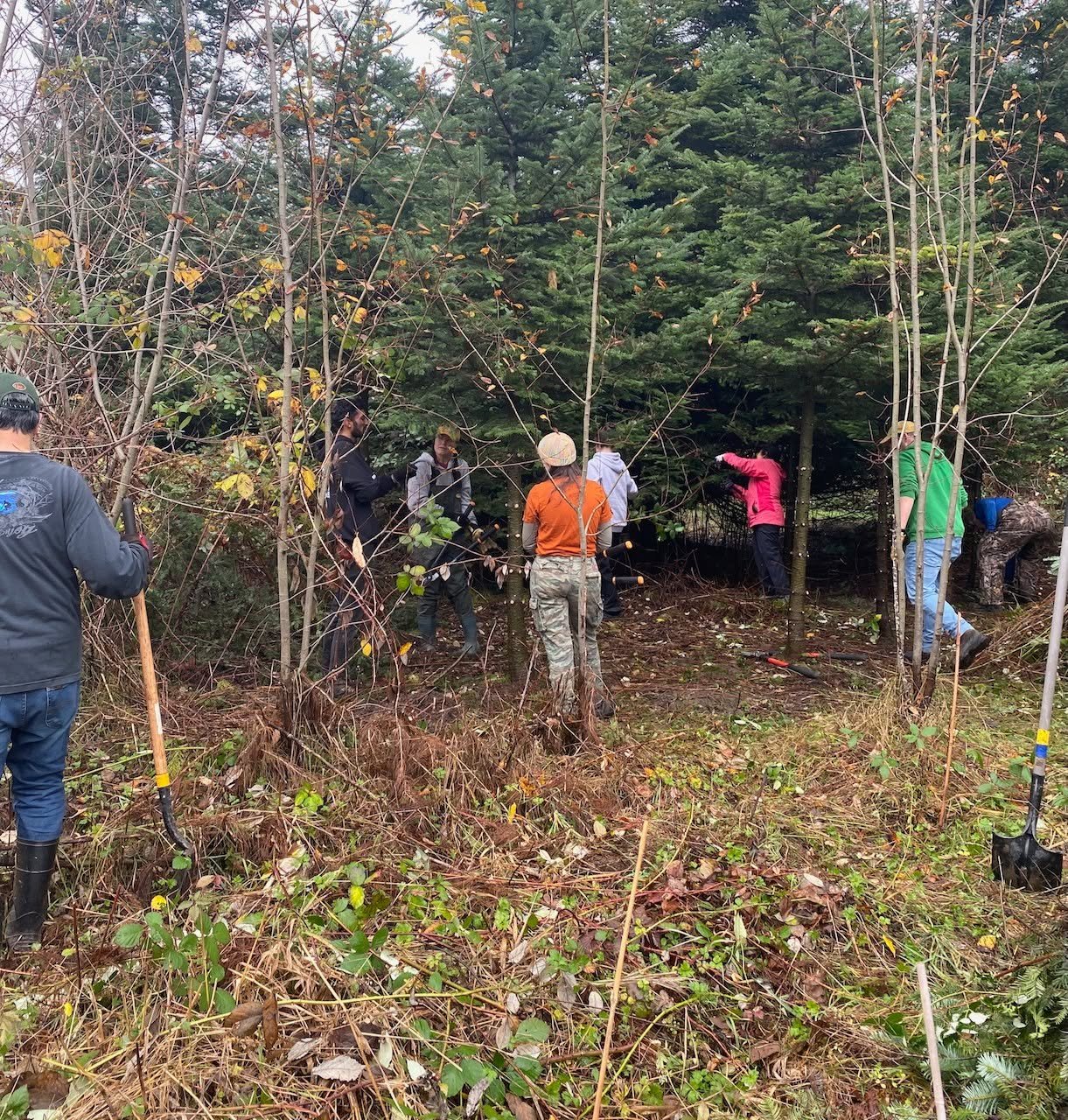
Across three restoration sites, our volunteers continued removing invasive vegetation and preparing areas for native trees and shrubs. Our September 26 restoration event brought volunteers together to continue this hands-on work in the Green-Duwamish watershed.
Native vegetation helps shade streams, stabilize soil, and support healthier habitat for salmon. At our Berrydale site on Big Soos Creek, this work also protects the wider watershed and the wildlife that depend on it. Thank you to everyone who showed up, worked hard, and helped prepare our sites for fall planting.
Healthy salmon populations are essential to the recovery of Southern Resident killer whales and are an important part of the broader marine ecosystem.
Continuing the Seattle Environmental Challenge
The Growth Management Hearings Board’s September ruling found Seattle’s environmental impact statement inadequate, an important result in the effort to require a fuller assessment of the city’s growth plans.
We are pursuing an appeal of the claims the Board rejected concerning endangered species, stormwater, and tree canopy, based on what we believe are errors of fact and procedure. These issues are connected: land-use decisions affect runoff, water quality, salmon habitat, and ultimately the food available to Southern Residents. We will continue pressing for those impacts to be properly considered.
”We cannot talk about a ‘One Seattle’ future without acknowledging that this city exists because of the waters that surround it. Endangered Southern Resident killer whales are a barometer of ecological health. If they are starving or dying from toxins, it means our systems are failing. The Comprehnsive Plan must play a decisive role in reversing this decline. It is our moral and legal responsibility.”
~Shari Tarantino, Executive Director | Orca Conservancy
Listening for Whales: Hydrophone Project Update
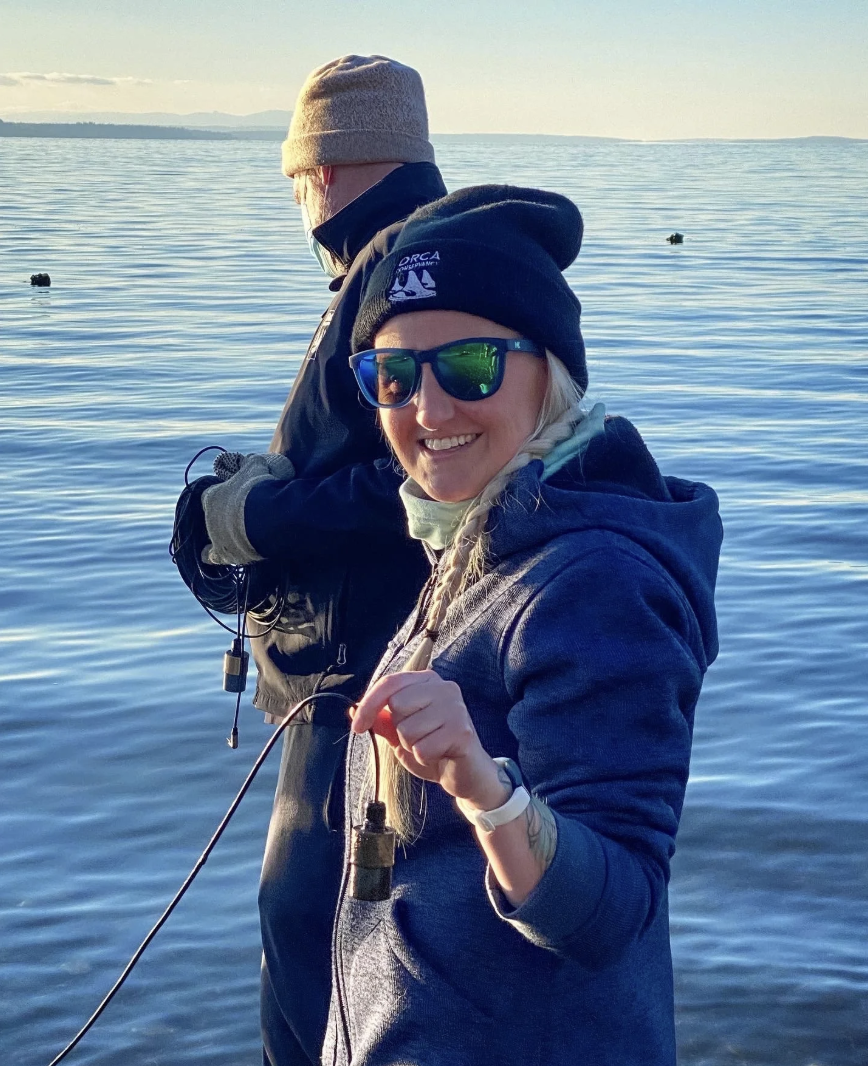
We continue working to expand our hydrophone monitoring program, with efforts focused on permitting and deployment planning.
At West Point Lighthouse, we submitted a permit application and followed up on a limited-term permit.
This site has been a challenge since it involves city, the state, and federal entities.At Rosario Strait, we have been seeking diver and support for deployment.
Progress has been slow, but each step brings us closer to expanding our ability to listen for whales and monitor underwater sound in their habitat.
Protecting the Green Duwamish watershed
This summer, Orca Conservancy issued an action alert urging public participation in the environmental review of the proposed Cumberland Aggregate Mine and Asphalt Plant.
King County has required a full Environmental Impact Statement after determining that the proposal is likely to cause significant environmental harm. The initial public comment period closed August 7, and the proposal remains under review.
Our alert emphasized the need to thoroughly evaluate potential impacts on water quality, stream flows, salmon habitat, and existing restoration investments. Protecting the habitat we restore also means challenging development that could undermine salmon and orca recovery.
Calling for measurable recovery
Currently we are working on scientific draft ahead of NOAA Fisheries’ five-year review of the Southern Resident killer whale (SRKW) population and we are developing an updated recovery-plan draft.
Our message is clear: we want to see recovery actions that actually improve the SRKWs’ access to nutritious Chinook salmon, reduce noise where they forage, and limit their exposure to toxic contaminants.
We are calling for clear responsibilities, deadlines, and public accountability for results, while respecting Tribal treaty rights. We celebrate every new calf, but we cannot mistake a birth for recovery. These whales need enough food and a healthy environment to survive, reproduce, and raise calves that thrive.
Thank you for standing with us
Your support makes our research, restoration, and advocacy possible. As Orca Conservancy marks its 30th anniversary, we remain committed to doing the work these whales need.
We are small, but we get a lot done. With just two full-time staff members, an associate researcher, three part-time restoration staff, a part-time fundraiser, a part-time fulfillment coordinator, and a board that rolls up its sleeves and gets to work, Orca Conservancy takes on challenges well beyond our size. We’re proud of what this team accomplishes, and your donations help keep us going..
Please consider donating, volunteering, or sharing our updates to help us keep moving forward.
Best,
Shari L. Tarantino
Executive Director
shari@orcaconservancy.org